
Leaders.com
  • Business
  • Leadership
  • Wealth
  • Master Classes
  • Business
    • Entrepreneurs
    • Executives
    • Marketing and Sales
    • Social Media
    • Innovation
    • Women in Business
  • Leadership
    • Personal Growth
    • Company Culture
    • Public Speaking
    • Productivity
    • Hiring
    • Social Issues
    • Leaders
  • Wealth
    • Investing
    • Cryptocurrency
    • Retirement
    • Venture Capital
    • Loans and Borrowing
    • Taxes
    • Markets
    • Real Estate
  • Master Classes
Business JetBlue's plans

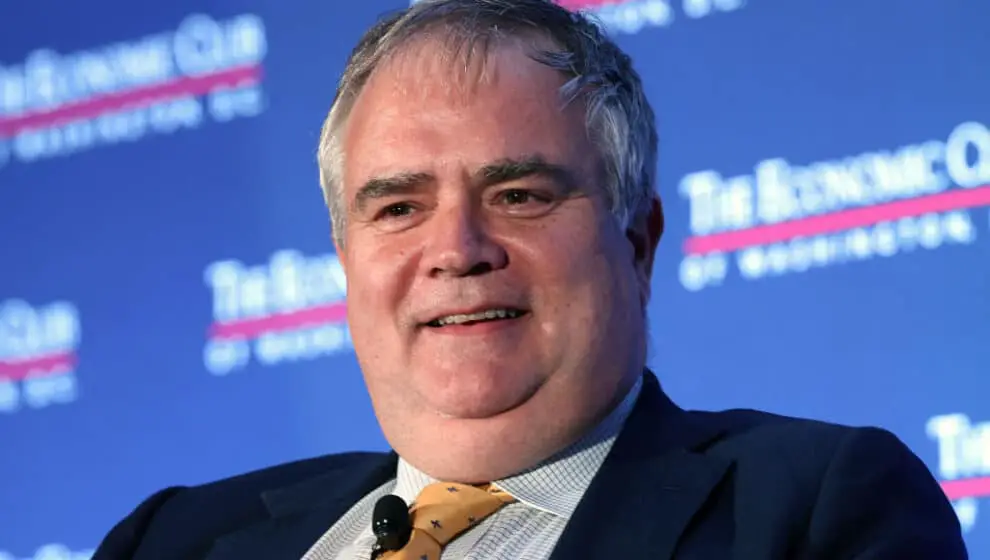
JetBlue CEO Robin Hayes is undeterred by the setback in his company's planned acquisition of Spirit Airlines. (Photo by Kevin Dietsch/Getty Images)

By Hannah Bryan Leaders Staff

Hannah Bryan

News Writer

Hannah Bryan is a news writer for Leaders Media. Most recently she was a reporter for the Sanilac County News...

Full bio


Learn about our editorial policy

What’s Next For JetBlue

This week the U.S. Justice Department (DOJ) sued to halt JetBlue Airways’ acquisition of Spirit Airlines, but JetBlue will continue to follow the path it had planned with the new airline on board.

Key Details

  • CEO Robin Hayes anticipated that the $3.8 billion acquisition would catch the attention of the DOJ. 
  • Hayes plans to fight the lawsuit, arguing that larger rivals have conducted similar deals with little pushback in recent decades. 
  • However, while the deal with Spirit would accelerate JetBlue’s plans, Hayes says the company’s overall plans will be undeterred even if the deal doesn’t go through. 
  • A merger with Spirit would expand JetBlue’s current fleet and give it access to smaller airports. 
  • If successful, the combined companies would establish the fifth-largest U.S. carrier, though JetBlue would remain much smaller than major airlines like United and Delta. 
  • However, if the deal falls through, Hayes says that JetBlue will continue its plans to grow, albeit much more slowly.

Why it’s news

If JetBlue’s merger is successful, it could become a more competitive discount airline. Currently, it ranks number six on the list of the largest U.S. carriers ranked by domestic passenger traffic. American Airlines, United Airlines, Delta, and Southwest lead the way. JetBlue is just behind Alaska Airlines and a little ahead of Spirit. 

Customers could also see a difference in ticket prices. When JetBlue announced the merger last summer, the company claimed that more flight options would drive down overall ticket prices. The “JetBlue effect” has also shown that the airline’s presence can somewhat drive down the prices of larger airlines. 

Even while facing opposition from the U.S. government, Hayes is relatively unworried by the obstacles. 

“If the merger doesn’t happen, we’ll go back to our organic growth plan. The opportunity with the Spirit merger is really just to accelerate that, but it’s not a change in strategy,” Hayes told Fortune.

The DOJ has argued that the merger will reduce airline industry competition and drive up consumer prices. 

“JetBlue’s plan would eliminate the unique competition that Spirit provides—and about half of all ultra-low-cost airline seats in the industry—and leave tens of millions of travelers to face higher fares and fewer options,” the DOJ says in its complaint. “Spirit itself put it simply: ‘A JetBlue acquisition of Spirit will have lasting negative impacts on consumers.’”

The DOJ referenced Spirit’s internal documents that found average fares fell 17% when Spirit planes started flying the route. 

Meanwhile, JetBlue argues that the Spirit merger will promote better competition with large airlines. 

In a joint statement, JetBlue and Spirit said they will “continue to advance our plan to create a compelling national challenger to the Big Four airlines.”

Notable quotes

“We believe the DOJ has got it wrong on the law here and misses the point that this merger will create a national low-fare, high-quality competitor to the Big Four carriers which – thanks to their own DOJ-approved mergers – control about 80% of the U.S. market,” Hayes said. 

“Together, we intend to democratize flying for travelers across the country – a goal we believe is worthy of the government’s support,” Spirit CEO Ted Christie said. 

Home / News / What’s Next For JetBlue
Share
FacebookTweetEmailLinkedIn

Related Stories

Seattle Takes The Crown For Advanced Tech Talent

by PJ Howland Leaders Staff
Tech
Seattle tech talent

Seattle has emerged as the metro area with the most advanced tech talent, beating out tech hubs like San Francisco and Silicon Valley.

Key Details

  • According to a new ranking by the Burning Glass Institute, Seattle has the highest proportion of advanced tech workers compared to other cities with similarly sized tech workforces.
  • The ranking evaluated 60 million high-paying, in-demand tech job postings and histories to identify cities with cutting-edge roles like AI and cybersecurity rather than legacy tech positions.
  • With tech giants Amazon and Microsoft headquartered in Seattle, the city edged out the San Francisco Bay Area, Boston, Austin, and Raleigh on the list.
  • The report found that demand for software developers and IT support specialists has declined over the past five years as companies seek more specialized tech talent.

Go deeper

FacebookTweetEmailLinkedIn

More Americans Can’t Keep Up With Car Payments

by Colin Baker Leaders Staff
Loans and Borrowing
car loans, used cars

A record number of Americans are behind on their car loan payments as higher interest rates and prices weigh on consumers.

Key Details

  • According to data from Fitch Ratings, 6.11% of car loans were at least 60 days delinquent in September, the highest since tracking began in the early 2000s.
  • Some interest rates on used cars can rise to as much as 21%, according to Bankrate.
  • Soaring prices and rising interest rates are squeezing consumers, making it difficult for some to keep up with their auto loans.

Go deeper

FacebookTweetEmailLinkedIn

Chevron Makes $53 Billion Deal Amid Surging Gas Prices

by PJ Howland Leaders Staff
Markets
Chevron Gas Deal

Chevron is acquiring Hess Corp. for $53 billion, the second significant oil producer acquisition this month as crude prices climb.

Key Details

  • Chevron is purchasing Hess in an all-cash deal worth $53 billion, including debt and preferred stock redemption.
  • This comes just weeks after ExxonMobil announced its $59.5 billion purchase of Pioneer Natural Resources.
  • With oil over $80 per barrel, major producers are using their windfall profits to acquire smaller players and boost payouts to shareholders.
  • Chevron expects the deal to close in H1 2023 pending regulatory approvals and Hess shareholder vote.
  • Hess CEO John Hess will join Chevron's board once the acquisition is complete.

Go deeper

FacebookTweetEmailLinkedIn
nike logo
Company Culture

Nike to Require More In-Office Days From Employees

by Colin Baker Leaders Staff
blue collar workers
Retirement

Explaining The ‘C+ Grade’ Retirement Ecosystem in The United States

by PJ Howland Leaders Staff
netflix building
Entertainment

Netflix Hiking Prices While Adding Millions of Subscribers

by Colin Baker Leaders Staff

Recent Articles

Hiring

Learn the Winning Answers to the Most Common Phone Interview Questions

Come to your next phone interview fully prepared

Personal Growth

85 Quotes on Self-Love to Boost Your Self-Esteem

Don’t fall into the trap of harsh self-criticism

Company Culture

What is a Sabbatical? Your Ticket to Restful Growth and Meaning

Sabbaticals can benefits both employees and businesses

  • Business
  • Leadership
  • Wealth
Join the Leaders Community

Get exclusive tools and resources you need to grow as a leader and scale a purpose-driven business.

Subscribing indicates your consent to our Terms & Conditions and Privacy Policy

Leaders.com
  • Privacy Policy
  • About
  • Careers
  • Cookie Policy
  • Terms
  • Disclosures
  • Editorial Policy
  • Member Login

© 2026 Leaders.com - All rights reserved.

Search Leaders.com